Blog
The Debate Over School Start Times: Balancing Policy and Practicality
14-02-2025
Compiled by Vikram Deshmukh & Consultants OPC Pvt Ltd
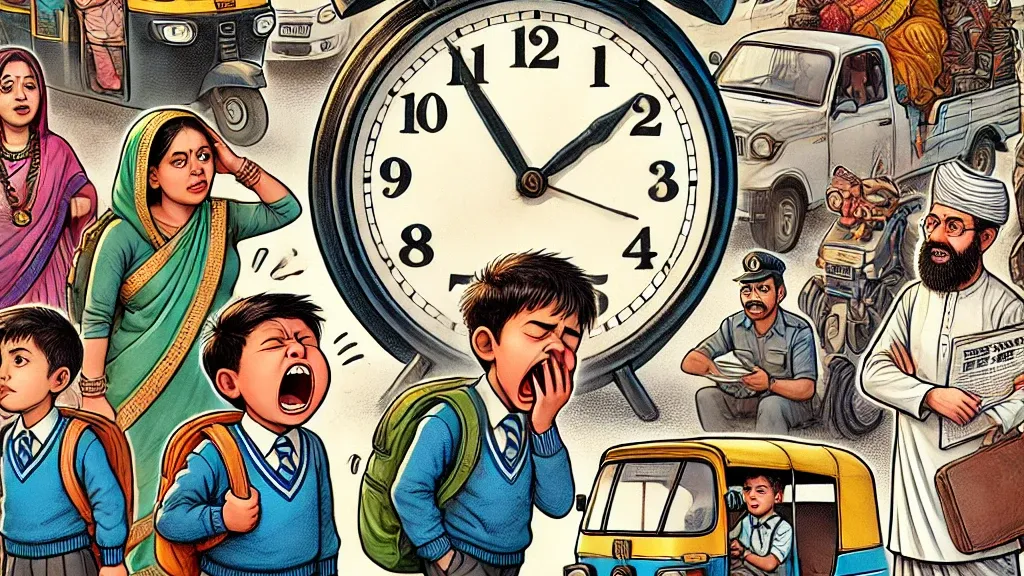
Education policies are crucial in shaping the academic and personal development of students. However, when a policy disrupts established routines and logistical frameworks, it warrants a critical evaluation. The recent Government Resolution (GR) by the Maharashtra government, mandating that pre-primary and primary school classes start no earlier than 9:00 a.m., has sparked a debate among educators, parents, and school administrators. While the policy aims to improve student well-being by ensuring adequate rest, it also presents several challenges in implementation.
The Government’s Perspective
The Maharashtra government’s directive, issued on February 8, 2024, is based on research conducted by the State Council of Educational Research and Training (SCERT). The study highlighted concerns about children’s sleep deprivation due to early school timings, exacerbated by modern lifestyle changes, late-night entertainment, and environmental factors such as noise pollution.
Key reasons cited in the policy include:
- Many schools, especially private institutions, start as early as 7:00 a.m., causing students to wake up much earlier, affecting their physical and mental well-being.
- Younger children often struggle to wake up early, leading to drowsiness and reduced attentiveness in class.
- Seasonal factors, such as extreme cold or heavy rainfall in certain regions, make early travel challenging for young students.
- Parents face difficulties managing morning routines, including preparing meals and dropping children off at school before heading to work.
- Traffic congestion during early hours poses safety risks for students commuting via school transport.
Challenges in Implementation
While the intent behind the policy is commendable, its implementation poses significant challenges for schools, parents, and students. A representation submitted to the Honourable Governor of Maharashtra outlines several concerns regarding the shift in school start times:
- Disruption of Existing Schedules: Many schools have structured their operations to align with parental work schedules. A change to a 9:00 a.m. start time disrupts daily routines and may lead to a prolonged school day, reducing time for extracurricular activities, homework, and family interactions.
- Traffic and Transportation Issues: Starting school during peak hours increases congestion, delays, and risks for students. School buses and public transport services may face logistical difficulties in accommodating the new timings.
- Impact on Working Parents: Parents who begin work early may struggle with childcare arrangements. Without provisions for early drop-off, many working parents will face additional financial and logistical burdens.
- Adverse Effects on Learning: Research suggests that young children are most alert in the morning. Delayed start times may reduce the effectiveness of morning lessons and negatively impact academic performance. Moreover, extending school hours into the afternoon could lead to fatigue and reduced concentration levels.
- Financial Implications: Schools operating in multiple shifts may need to restructure their entire timetable, potentially increasing costs related to additional staff, transportation, and infrastructure adjustments. Schools offering staggered shifts will also need to invest in additional transport arrangements, impacting overall fees for parents.
The Benefits of Starting School Early
The debate over the ideal start time for schools is ongoing, with various perspectives highlighting different advantages and drawbacks. However, starting school early in the morning aligns with traditional Indian values and has several documented benefits for students. This alignment is reflected in India's National Education Policy (NEP) 2020, which emphasizes the integration of traditional wisdom into modern educational practices.
Academic Benefits
- Enhanced Cognitive Functioning: Numerous studies indicate that early morning is when students’ cognitive functions are at their peak. This period, often referred to as the 'golden hours,' is when students can best absorb and retain new information, leading to improved academic performance.
- Better Performance in Exams: Students who start their day early tend to perform better in exams due to increased alertness and focus.
Health Benefits
- Consistency with Circadian Rhythms: Human bodies are naturally wired to wake up early and sleep early. Aligning school timings with these circadian rhythms helps improve sleep quality, reduces sleep disorders, and enhances overall health.
- Physical Activity: An early start allows time for physical exercise before school. Engaging in physical activity in the morning can boost energy levels, improve mood, and enhance concentration throughout the school day.
Life Skills and Discipline
- Instilling Discipline: Starting school early fosters discipline among students. It encourages them to follow a routine, manage their time efficiently, and prioritize tasks, all of which are crucial life skills.
- Preparing for Future Professional Life: Many professional environments require early start times. Getting accustomed to an early schedule during school years prepares students for future job demands, making the transition smoother.
Alignment with Indian Cultural Values
- Traditional Indian Wisdom: Indian culture has long emphasized the benefits of waking up early. Ancient texts and practices advocate beginning the day at dawn, a time considered auspicious and conducive to mental clarity and productivity.
- Holistic Development: The practice of early rising integrates physical, mental, and spiritual well-being, which is a core principle of Indian philosophy.
The Way Forward
While the new policy aims to address genuine concerns regarding student well-being, a one-size-fits-all approach may not be practical for all institutions. A more flexible policy framework, which considers infrastructure constraints, transportation challenges, and the diverse needs of students and parents, would be beneficial.
Possible solutions include:
- Allowing schools flexibility in setting start times based on infrastructure and community needs.
- Providing early drop-off options for working parents who cannot accommodate a later start time.
- Reevaluating transport logistics to ensure safe and efficient student commutes.
- Exploring hybrid models where younger students start later, but older students continue with existing schedules.
The intent behind the GR is valid, but its practical challenges cannot be ignored. The Maharashtra government must work collaboratively with schools, educators, and parents to find a balanced solution that prioritizes student well-being without disrupting the existing educational framework.